
Namib Bianco
Dolomite · Varies by block · 2 cm or 3 cm
The white stone between marble and quartzite.
Dolomite has the soft white look of marble and resists scratching better. It's still a carbonate stone, so acid can dull a polished surface.
It sits between marble and quartzite in hardness. That makes it a fair kitchen stone for anyone who wants the look of marble and can live with some patina.
Lemon, vinegar and wine can etch a polished dolomite, leaving a dull spot rather than a stain. A honed finish hides that far better. Seal it, wipe spills when you see them, and test an offcut at the yard if you want to see for yourself.
Dolomite · Varies by block · 2 cm or 3 cm

Dolomite · Varies by block · 2 cm or 3 cm

Dolomite · Varies by block · 2 cm or 3 cm
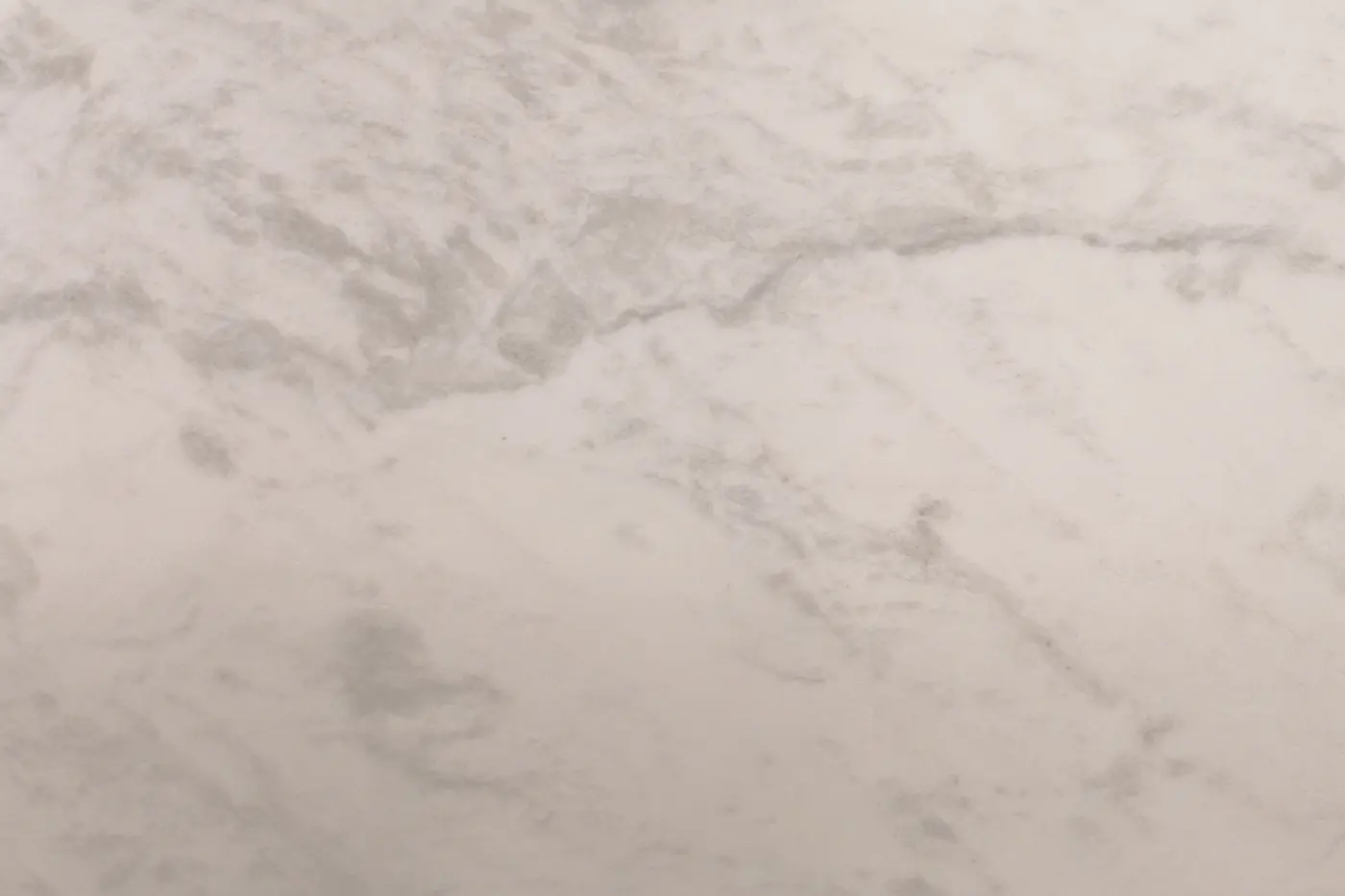
Dolomite · Varies by block · 2 cm or 3 cm
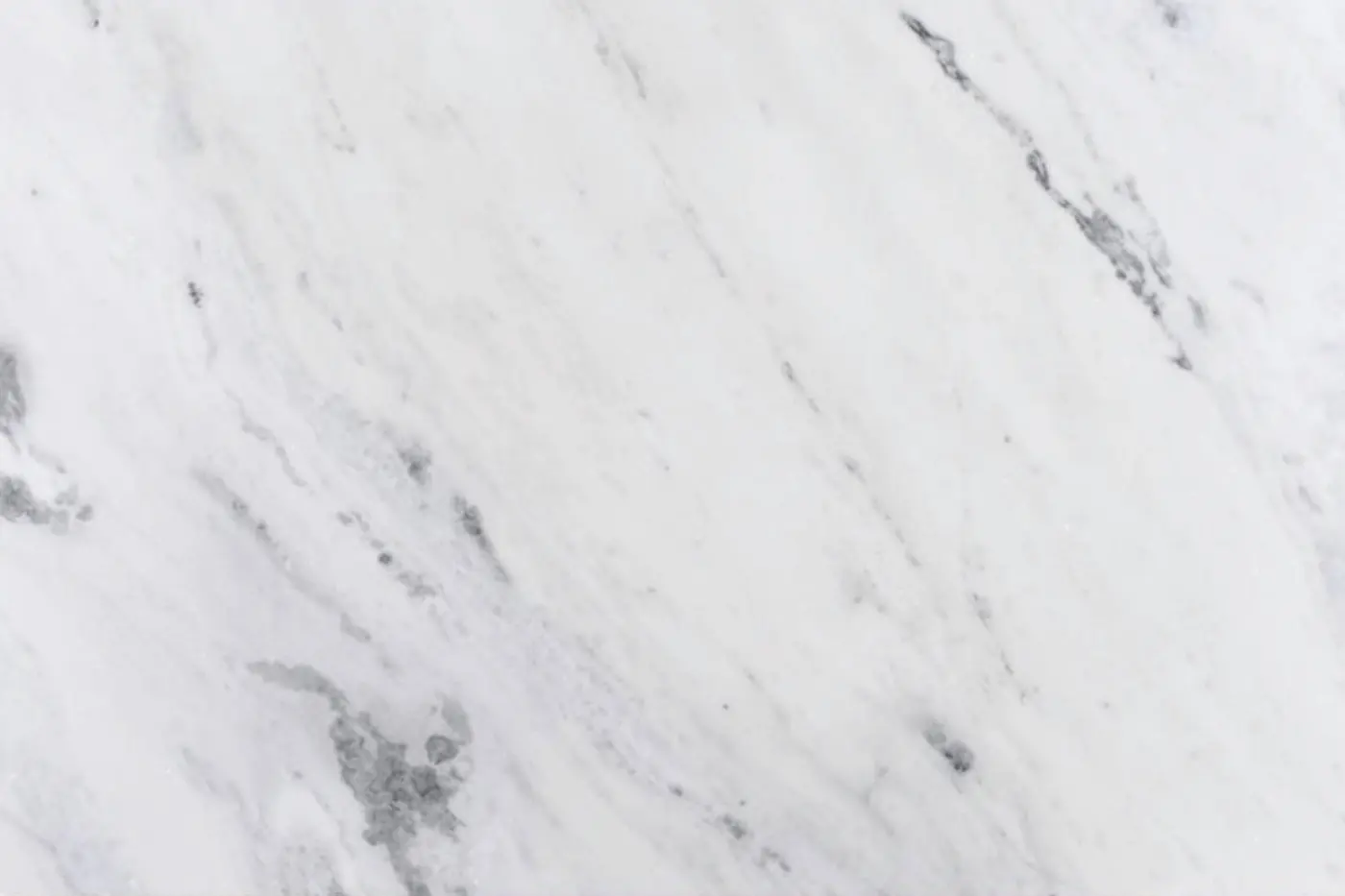
Dolomite · Varies by block · 2 cm or 3 cm
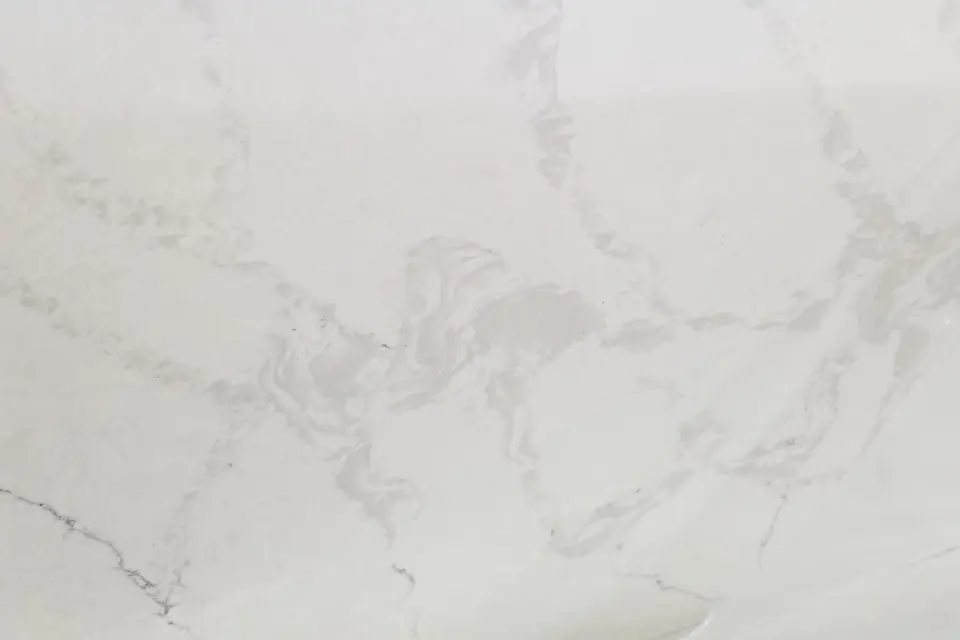
Dolomite · Varies by block · 2 cm or 3 cm
Dolomite, asked and answered
They're close relatives. Both are carbonate stones, but dolomite is harder and scratches less. Both can etch with acid.
Quartzite is harder and resists etching better. Dolomite is often whiter and softer in look. If you cook with a lot of citrus and hate marks, quartzite. If you like how marble ages, dolomite.
Yes, after install and every so often after that. Sealing slows staining. It doesn't stop etching, which is the acid reacting with the stone itself.
More countertops